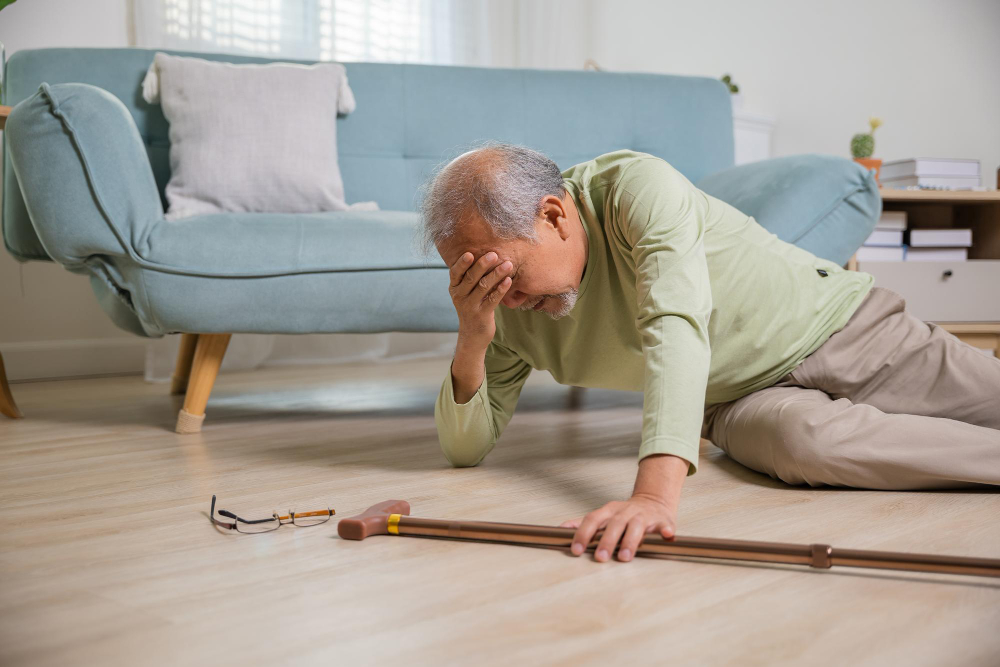
Fall prevention for seniors is a key part of healthy aging. As people grow older, the risk of falling increases. In fact, falls are a leading cause of injury among older adults, according to the CDC. Because of this, fall prevention for seniors is crucial. It helps keep seniors safe, independent, and active. This guide shares practical tips and strategies to reduce fall risk for seniors and their caregivers.
Common Causes of Falls in Seniors
Many things can cause seniors to fall. Understanding these causes is the first step in learning how to prevent falls in elderly adults. For example, some common reasons include:
Because these factors often combine, it is important to address each one.
Recognizing Fall Risks at Home and Outdoors
Identifying risks is a key part of senior home safety tips. Both the home and outdoor spaces can have hidden dangers. For instance, you should look for:
By checking these areas often, you can help reduce fall risk for seniors.
Effective Fall Prevention Strategies
There are many ways to help prevent falls in elderly adults. For best results, use a mix of these strategies:
Additionally, always ask for help with tasks that feel unsafe.
Home Safety Modifications
Simple changes at home can make a big difference. Here are some senior home safety tips to consider:
Because every home is different, you may need to adjust these tips for your space.
Exercise and Balance Improvement Tips
Staying active is one of the best ways to reduce fall risk for seniors. Regular exercise helps improve balance, strength, and flexibility. For example, you can try:
Before starting any new exercise, talk to your doctor. This helps ensure the activities are safe for you.
When to Consult a Healthcare Professional
Sometimes, extra help is needed to prevent falls. You should consult a healthcare professional if:
Because every person is unique, a doctor or physical therapist can offer personalized fall prevention advice.
Conclusion
In summary, fall prevention for seniors is essential for safety and independence. By understanding risks, making home changes, and staying active, you can help reduce falls. For the best results, consult a healthcare professional for personalized fall prevention advice.